
16036 SE 47th Ct, Bellevue, WA 98006 | MLS# 2300606 - 16036
At around the same time, bearings started to be used in all variety of industrial machinery, contributing greatly to industrialization.
The pyramids were built by standing huge, heavy stones one atop the other. The tremendous size of these rocks is astonishing: how on earth did the ancients move such heavy stones? The answer can be guessed at by examining ancient Egyptian wall paintings.
With industry-leading accuracy, the Bearing AI Decision Engine simulates millions of variables and possibilities, generating recommendations that help you optimize your profitability while still maintaining environmental compliance.
Bearing AI, founded in 2019 by Dylan Keil, is helping the shipping industry reach its carbon-cutting goals by harnessing data to guide decisions about shipping routes, travel speeds, and more.
With our easy-to-use tools, hyper-accurate prediction models simulate these changes for you, so that you always know the full impact on fuel costs, earnings and environmental compliance and can make the best decision.
The Industrial Revolution lasted roughly from the mid-18th century through the 19th century. Steel was produced in large quantities, and this allowed for high-strength steel bearings to be mass-produced for the first time. This meant that bearings could be utilized in a wide variety of industrial fields.
Maritime tech start-up Bearing AI has announced the full launch of its AI-driven operations optimization platform. Japanese shipping company, "K" Line, will implement the new solution on more than 300 vessels.
Rough seas, wind and weather can wreak havoc on scheduled arrivals in port and boost fuel use. Bearing AI wants to smooth things out by using AI to help shippers manage and track their fleets, reduce fuel consumption and optimize routes.
The ongoing wave of new environmental regulations is reshaping how maritime business gets done. And this transition is only accelerating.
This "basic bearing structure" of races, rolling elements (a "ball" or a "roller") and a cage was thought up around 500 years ago. It was because of the genius of the Renaissance man Leonardo that bearings were able to achieve this monumental leap forward.
The records of humankind reducing friction down through the ages differ by time period and method used, but can nevertheless be seen all over the world. This is a testament to just how important reduction of friction to allow for smoother movement has been throughout human history.
Our CII Optimizer monitors CII scores for an entire fleet. Quickly calculate accurate forecasts of end-of-year ratings, effortlessly simulate various operating conditions, and quantify trade-offs between costs, earnings, and CII ratings.
With Japanese domestic demand for bicycles steadily growing, and cars making their appearance, it seemed that the Japanese bearing industry would advance and spread steadily. The future looked bright.
The structure is that of two rings (races), above and below, and rolling balls (rolling elements) stuck between the rings. Astonishingly, this sketch even includes a "cage" so that the balls do not come in contact with each other.
Leonardo da Vinci was a brilliant artist from Italy, and one of the archetypal "Renaissance men". It would not be an overstatement to call him the "father" of the modern bearing.
IINO partnered with Bearing AI to use its AI-powered CII solution on IINO’s international vessels. Bearing AI’s solution can calculate CII prediction and provide prescriptive recommendations with industry-leading accuracy.
Tech company Bearing AI harnesses data to guide decisions about shipping routes, travel speeds, and other factors that impact carbon emissions.
There are a number of wall paintings that depict the pyramid construction, and among those we can see logs being rolled underneath the massive stones. Scholars believe that by rolling these logs, friction was reduced, allowing for a relatively small amount of force to move these extremely heavy stones.
Since ancient times humankind has developed multiple ways of reducing friction. For now let's just look at the example of the building of the pyramids of Egypt.
IINO partnered with Bearing AI to use its AI-powered CII solution on IINO’s international vessels. Bearing AI’s solution can calculate CII prediction and provide prescriptive recommendations with industry-leading accuracy.
So, last time we explained how bearings serve the function of reducing friction and allowing objects to move more smoothly (that is to say, freely).But when was it that bearings came to be, and how did they evolve and spread out over the earth?
But Japan's bearing manufacturers refused to give in. We all pulled together, and were able to develop a manufacturing process for high-quality bearings. The precision and performance of bearings made in Japan were able not only to recover but to become greater than ever before.
Over the course of the Industrial Revolution, bearings, working ever in the shadows to assist the development of industry, became a presence that humankind would be unable to live without.
Had bearings not been developed, humankind would probably still today be trying to exert massive force in order to move heavy objects, to say nothing of how we would almost certainly not have all the modern conveniences and comforts provided by machines.
Bearings are an artifact of the ingenuity of our ancient ancestors, and played a key, if hidden, role in the history of industrialization.
Maritime tech start-up Bearing AI has announced the full launch of its AI-driven operations optimization platform. Japanese shipping company, "K" Line, will implement the new solution on more than 300 vessels.
This method of transporting stones gave way to the idea that led to the rolling elements (rollers) that are used in bearings.
With increased motorization, more and more bearings designed to improve the durability and reliability of cars continued to be developed, resulting in a massive boom in Japan's domestic demand for bearings. Bearings played a key role in Japan's miraculous economic growth in this era.
Exactly how much should you adjust speed by? Should this vessel be moved to another service line? Should you conduct an underwater cleaning?
Rough seas, wind and weather can wreak havoc on scheduled arrivals in port and boost fuel use. Bearing AI wants to smooth things out by using AI to help shippers manage and track their fleets, reduce fuel consumption and optimize routes.
Leonardo was incredibly passionate and curious about everything, and left a massive impression not just on the art world but also on the field of mechanical design. In one of his notebooks can be found a sketch of a bearing, in indispensable component of machinery.
Physics-based models, with their human inputs, simply can’t account for the multitude of variables that influence a given sea voyage. But artificial intelligence can.
Physics-based models, with their human inputs, simply can’t account for the multitude of variables that influence a given sea voyage. But artificial intelligence can.
But even if he was able to discover this basic bearing structure, actually building and mass producing such a device was another matter.
Our Performance Analysis dashboard lets you accurately monitor trends in vessel performance over time. Understand exact impact of weather, fouling and other factors on fuel consumption and emissions.
Part 1: What Are Bearings? Let's learn about the basic functions of bearings! Part 2: Leonardo da Vinci Was the Father of the Bearing!? The amazing history of bearings Part 3: What's the Structure of the Bearing? The role of the structure and parts in reducing friction Part 4: What Are the Differences Between Bearings? The various types and special features of bearings Part 5: The Applications of Bearings I: This is how bearings are used in cars Part 6: The Applications of Bearings II: This is how bearings are used for machines in industry Part 7: Bearings Made Using Advanced Materials and Lubricants: Bearings all around you
Koyo Seiko (later Koyo Seiko Co., Ltd.), the previous incarnation of JTEKT, began producing and selling bearings a short five years later, in 1921.
Developed with in-depth feedback from customer, Hapag-Lloyd, the tool allows accurate future emissions simulation and the comparison of the efficiency of different vessels across potential schedules.
Bearing AI, founded in 2019 by Dylan Keil, is helping the shipping industry reach its carbon-cutting goals by harnessing data to guide decisions about shipping routes, travel speeds, and more.
Tech company Bearing AI harnesses data to guide decisions about shipping routes, travel speeds, and other factors that impact carbon emissions.
An emissions management solution offering industry-leading tools for monitoring, forecasting, simulation, and optimization, so you can make even better, data-driven decisions.
Accurately compare the efficiency of different vessels across different schedules. Quickly determine the best allocation, balancing costs and environmental compliance across the fleet.
Physics-based models, with their human inputs, simply can’t account for the multitude of variables that influence a given sea voyage. But artificial intelligence can.
Ultimately the precision and performance of Japanese bearings was recognized around the world, allowing for us to enter the international market. Now, with Japanese bearings renowned the world over, around 30% of all bearings on planet Earth are the work of Japan's bearing manufacturers.

Developed with in-depth feedback from customer, Hapag-Lloyd, the tool allows accurate future emissions simulation and the comparison of the efficiency of different vessels across potential schedules.
Maritime tech start-up Bearing AI has announced the full launch of its AI-driven operations optimization platform. Japanese shipping company, "K" Line, will implement the new solution on more than 300 vessels.

IINO partnered with Bearing AI to use its AI-powered CII solution on IINO’s international vessels. Bearing AI’s solution can calculate CII prediction and provide prescriptive recommendations with industry-leading accuracy.
We've developed tools that not only simulate the impact of various actions but also generate novel operating strategies, factoring in the dynamics of the entire global fleet. This power lets you not just meet the demands of new regulations but actually turn them into a strategic advantage, outmaneuvering the competition.
It is believed that the reason humankind first evolved to walk bipedally was so our hands would be free to carry objects more effectively.It would surely be no exaggeration to say that the desire to manipulate objects freely has been carried by humankind down through the ages and is a fundamental characteristic of humankind.
But then World War II happened. Tremendous war damage was done to factories all over Japan, and the bearing industry suffered a significant blow.
Rough seas, wind and weather can wreak havoc on scheduled arrivals in port and boost fuel use. Bearing AI wants to smooth things out by using AI to help shippers manage and track their fleets, reduce fuel consumption and optimize routes.
How to Select the Right Bearing (Part 1): The order of priority for selecting bearings, and the types of bearings How to Select the Right Bearing (Part 2): How to decide the bearing arrangement How to Select the Right Bearing (Part 3): Bearing dimensions and service life How to Select the Right Bearing (Part 4): Bearing limiting speed, running accuracy, and fits How to Select the Right Bearing (Part 5): Bearing preload and rigidity How to Select the Right Bearing (Part 6): Bearing lubrication How to Select the Right Bearing (Part 7): Components surrounding the bearing
Bearing AI, founded in 2019 by Dylan Keil, is helping the shipping industry reach its carbon-cutting goals by harnessing data to guide decisions about shipping routes, travel speeds, and more.
Tech company Bearing AI harnesses data to guide decisions about shipping routes, travel speeds, and other factors that impact carbon emissions.
Developed with in-depth feedback from customer, Hapag-Lloyd, the tool allows accurate future emissions simulation and the comparison of the efficiency of different vessels across potential schedules.
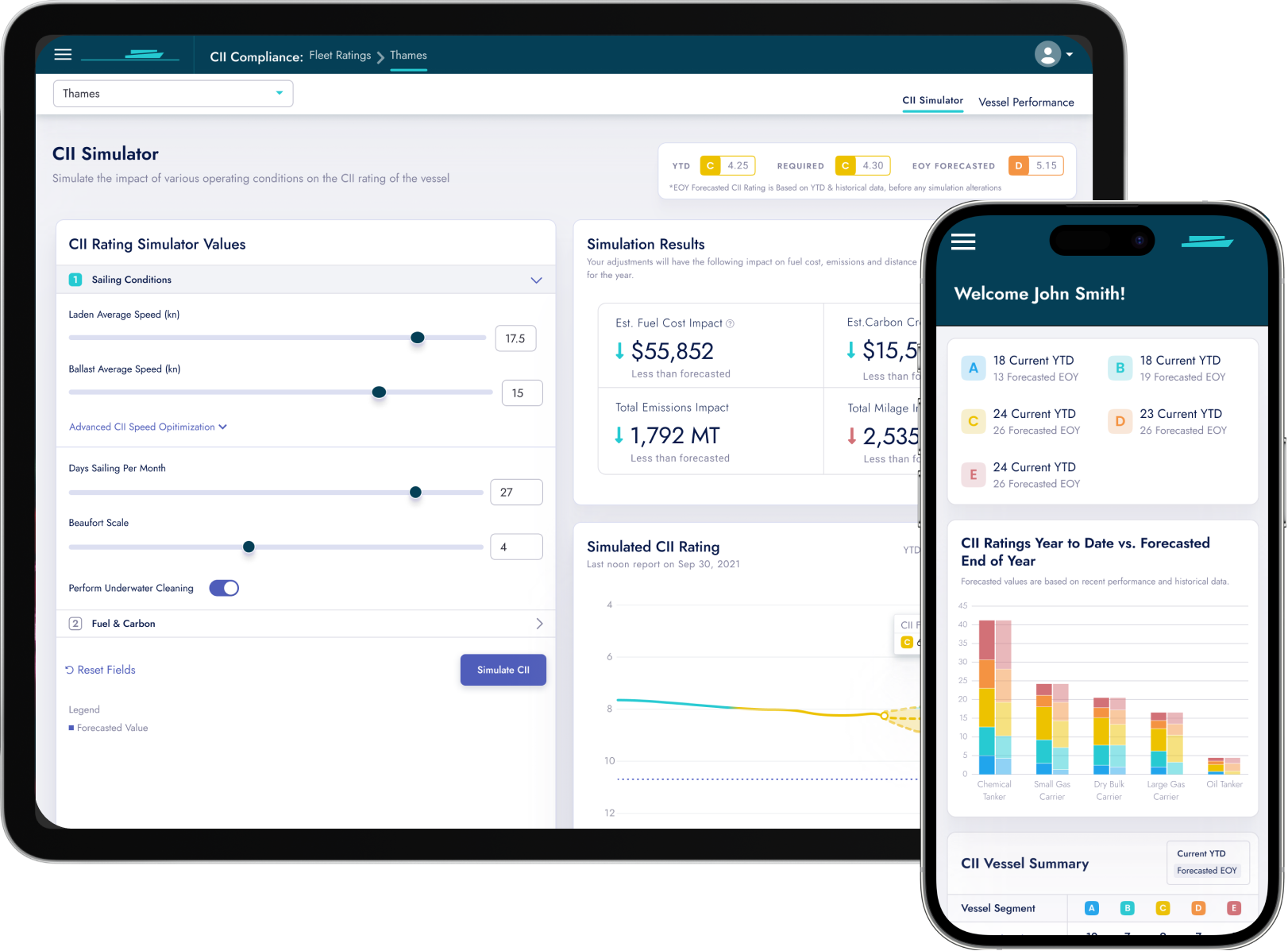
Today’s complex environmental regulations mark the most significant, and urgent, change to maritime shipping in decades. Bearing AI is spearheading the shift, helping you chart through the noise in your data to optimize commercial and operational decision-making.
The first step was the ball bearing, used for the axles in bicycles, which utilized a "ball" as its rolling element. This became widely popular. Later the roller bearing was developed. This used a "roller" as its rolling element, and was used for axles in horse-pulled carriages.



 8613869596835